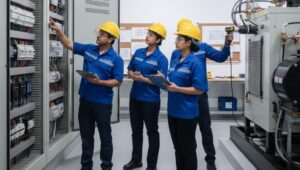
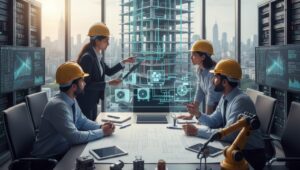
Buildings are long-term assets, but without the right care, they can quickly turn into sources of risk, disruption, and unexpected expenses. Electrical failures, plumbing breakdowns, structural issues, or safety non-compliances rarely occur overnight. In most cases, the warning signs exist—but go unnoticed. This is why technical audits and planned maintenance are essential for risk-proofing buildings.
At Paradigm Facility Management Services, we see audits and preventive planning not as routine checks, but as strategic tools that protect people, assets, and investments.
1. Understanding Risks Before They Escalate
Every building has hidden risks—aging equipment, overloaded electrical panels, inefficient HVAC systems, or non-compliant safety installations. Technical audits help identify these vulnerabilities early.
A professional audit evaluates:
- Electrical, mechanical, and plumbing systems
- Fire safety and emergency preparedness
- Structural and operational compliance
- Asset condition and lifecycle stage
By identifying gaps early, building managers can act before minor issues become major failures.
2. Planned Maintenance vs. Emergency Repairs
Reactive maintenance is expensive, disruptive, and stressful. Emergency repairs often cost more and affect daily life in residential communities and office productivity in corporate spaces.
Planned maintenance focuses on:
- Scheduled inspections and servicing
- Predictable maintenance costs
- Reduced downtime and disruptions
- Better control over budgets
This approach replaces uncertainty with structure and control.
3. Enhancing Safety for Occupants
Safety is the biggest risk factor in any building. Faulty wiring, fire system failures, water leakages, or poorly maintained equipment can endanger lives.
Audits and planned maintenance ensure:
- Fire alarms, extinguishers, and sprinklers function correctly
- Electrical systems meet safety standards
- Elevators, pumps, and generators operate reliably
A well-audited building is a safer building—for residents, employees, and visitors.
4. Protecting Asset Value and Longevity
Building systems are expensive investments. Without regular care, their lifespan reduces significantly.
Planned maintenance helps:
- Extend the life of MEP equipment
- Reduce premature replacements
- Maintain consistent performance
Over time, this protects property value and improves return on investment.
5. Compliance, Documentation, and Accountability
Regulatory compliance is not optional. Audits help ensure buildings meet statutory and safety requirements, while planned maintenance creates a clear record of care.
Proper documentation:
- Simplifies audits and inspections
- Improves transparency with stakeholders
- Supports long-term planning and upgrades
This disciplined approach builds trust with residents, employees, and management committees.
6. Cost Control Through Predictability
One of the biggest advantages of audits and planned maintenance is financial clarity.
- Fewer surprise expenses
- Better forecasting of repair and replacement costs
- Smarter allocation of resources
Instead of reacting to failures, building managers gain control over spending.
Prevention is the Smartest Protection
Risk-proofing buildings is not about avoiding maintenance-it’s about doing it right and on time. Technical audits and planned maintenance turn uncertainty into insight and chaos into control.
At Paradigm Facility Management Services, we help residential communities and corporate offices stay ahead of risks through structured audits and proactive maintenance planning. Because preventing failures is always more effective-and more economical-than fixing them later.